
-
Improving Pharmaceutical Quality Control With Modern Testing Solutions
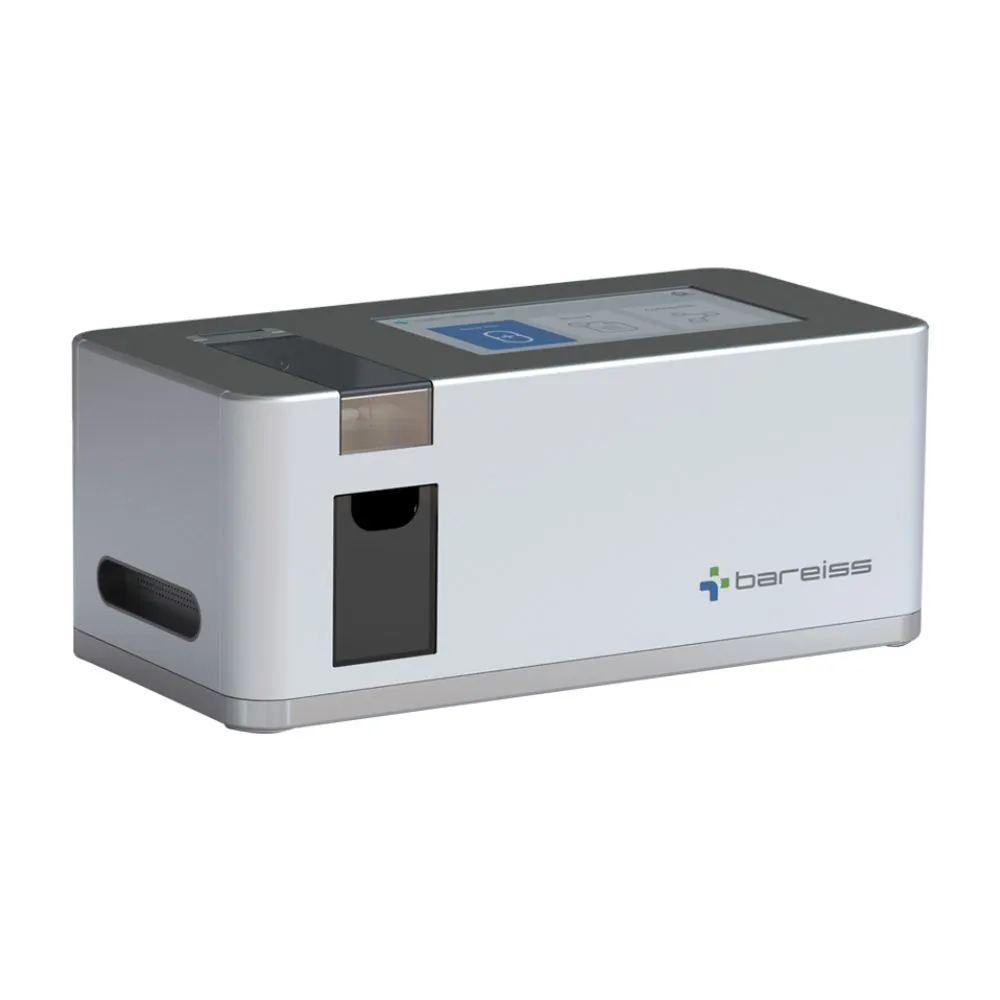
Pharmaceutical manufacturing requires careful monitoring at every stage to ensure that tablets maintain the right level of strength, durability, and performance. An automatic tablet hardness tester is an important solution used in modern laboratories to evaluate tablet resistance and support consistent production standards. With accurate measurements and efficient operation, advanced testing systems help manufacturers maintain quality while improving overall workflow.
The Importance of Tablet Evaluation in Pharmaceutical Manufacturing
Producing high-quality tablets requires more than just accurate formulation and compression. Manufacturers must also confirm that finished products can handle transportation, packaging, and everyday handling without damage.
Physical properties such as mechanical strength provide valuable information about tablet quality. Proper evaluation helps identify whether production settings are delivering consistent results and whether adjustments are needed to improve the final product.
Maintaining Reliable Production Standards
Consistency is one of the most important goals in pharmaceutical manufacturing. A single batch may contain thousands of tablets, and each unit must meet the same quality expectations.
Quality control teams perform detailed inspections to verify that tablets have suitable characteristics. Reliable testing procedures allow manufacturers to compare results between batches, identify production variations, and maintain stable manufacturing conditions.
How Modern Testing Systems Improve Laboratory Operations
Traditional testing methods often require more manual involvement, which can increase the possibility of human error. Modern laboratory equipment has been developed to simplify testing procedures while delivering accurate and repeatable results.
Automated systems provide several benefits, including:
Efficient testing procedures
Reduced manual workload
Improved measurement consistency
Faster quality checks
Better data organization
Increased laboratory productivity
These advantages make advanced instruments valuable tools for pharmaceutical companies looking to optimize their quality control processes.
Supporting Pharmaceutical Research and Development
Quality testing is not limited to commercial manufacturing. It also plays an important role during research and development activities.
Scientists use testing data to understand how different formulations behave under various manufacturing conditions. This information helps them improve tablet designs, select suitable ingredients, and develop products with reliable performance characteristics.
By analyzing tablet properties during development, manufacturers can reduce production challenges and create more effective manufacturing strategies.
Key Factors Affecting Tablet Quality
Many elements influence the final characteristics of pharmaceutical tablets. Understanding these factors helps companies improve production accuracy and reduce inconsistencies.
Important factors include:
Formulation Composition
The ingredients used in tablet production directly influence physical properties. Different materials and proportions can affect strength, stability, and overall performance.
Compression Settings
The force applied during tablet formation has a major impact on the final structure. Proper control of compression parameters helps achieve consistent results.
Storage Conditions
Environmental factors such as humidity and temperature can influence tablet stability. Controlled storage and production environments help protect product quality.
Equipment Accuracy
Laboratory instruments must provide reliable measurements to support effective quality decisions. Regular calibration and maintenance help ensure dependable performance.
Benefits of Automated Quality Assessment
Automation has changed the way pharmaceutical laboratories manage testing activities. Advanced equipment allows operators to perform measurements with greater efficiency and confidence.
Some major benefits include:
Higher Testing Accuracy
Automated processes minimize variations caused by manual handling and provide more consistent measurement results.
Improved Time Management
Faster testing cycles allow laboratories to analyze more samples while maintaining productivity.
Better Documentation
Digital systems can help organize testing information, making it easier to review and manage quality records.
Increased Operational Confidence
Reliable results allow quality teams to make better decisions regarding production processes and product improvements.
Ensuring Compliance With Quality Requirements
Pharmaceutical companies must follow strict quality guidelines to ensure that their products are safe and reliable. Proper testing procedures provide important evidence that manufacturing processes are operating correctly.
Accurate measurement records support quality management systems and help organizations prepare for regulatory reviews. A well-maintained testing process demonstrates a commitment to producing dependable pharmaceutical products.
Reducing Production Challenges
Manufacturing problems can lead to wasted materials, delayed production, and increased operational costs. Continuous quality monitoring helps companies detect possible issues before they affect large quantities of products.
By identifying changes in tablet characteristics early, manufacturers can adjust processes and maintain better control over production outcomes.
The Future of Pharmaceutical Testing Technology
The pharmaceutical industry continues to adopt smarter technologies that improve accuracy, efficiency, and data management. Modern testing solutions are becoming more connected, automated, and user-friendly.
Future laboratory systems are expected to provide even greater levels of automation, allowing manufacturers to achieve higher productivity while maintaining strict quality standards.
Choosing the Right Laboratory Equipment
Selecting suitable testing equipment requires careful evaluation of laboratory needs, production requirements, and quality objectives.
Manufacturers should consider factors such as:
Measurement reliability
Ease of operation
Data handling capabilities
Long-term durability
Compatibility with existing quality procedures
Maintenance requirements
The right solution can improve laboratory performance and support continuous manufacturing improvement.
Conclusion
Accurate tablet evaluation is essential for maintaining quality and consistency in pharmaceutical production. Advanced testing technology helps manufacturers achieve reliable results, improve laboratory efficiency, and maintain strict quality standards. By using modern solutions and effective testing procedures, pharmaceutical companies can strengthen their manufacturing processes and deliver products that meet industry expectations.
bareiss-testing.com
THT500 Tablet Hardness Tester for Pharma QC Labs — USA & Canada
THT500 Tablet Hardness Tester measures tablet breaking force and diameter with precision. Ideal for pharmaceutical QC. View specs and order today.
Sorry, there were no replies found.