
-
Role of Software Testing Basics in Software Quality Assurance
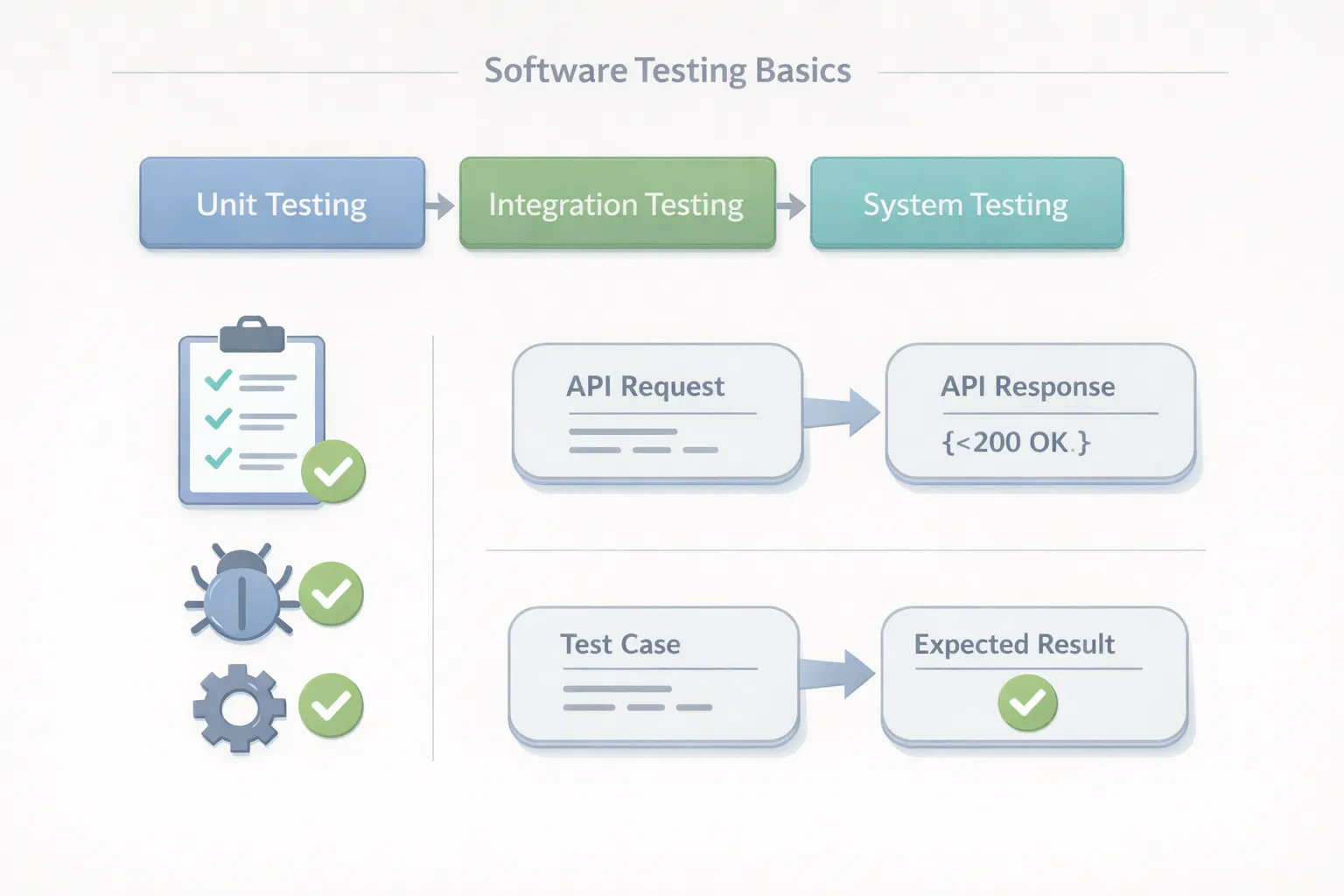
Software testing basics introduce the essential concepts required to ensure that applications function correctly and meet user expectations. At its core, software testing is the process of evaluating a system to identify defects, verify functionality, and confirm that the software behaves as intended under different conditions.
A fundamental part of software testing basics is understanding different types of testing, such as functional testing and non-functional testing. Functional testing ensures that features work according to requirements, while non-functional testing evaluates aspects like performance, usability, and security. Together, these approaches provide a complete assessment of software quality.
Another important concept is the testing lifecycle, which includes stages like test planning, test case design, execution, and defect reporting. This structured approach helps teams organize testing activities and ensures that all critical areas of the application are properly validated.
By learning software testing basics, beginners can build a strong foundation for more advanced testing techniques. These fundamentals help improve defect detection, reduce risks, and ensure the delivery of reliable, high-quality software in modern development environments.
keploy.io
Software Testing Basics: A Guide for Beginners (2026)
New to QA? Learn software testing basics from scratch. Understand key principles, testing types, STLC, CI/CD practices, manual vs automated testing & more.
Sorry, there were no replies found.